
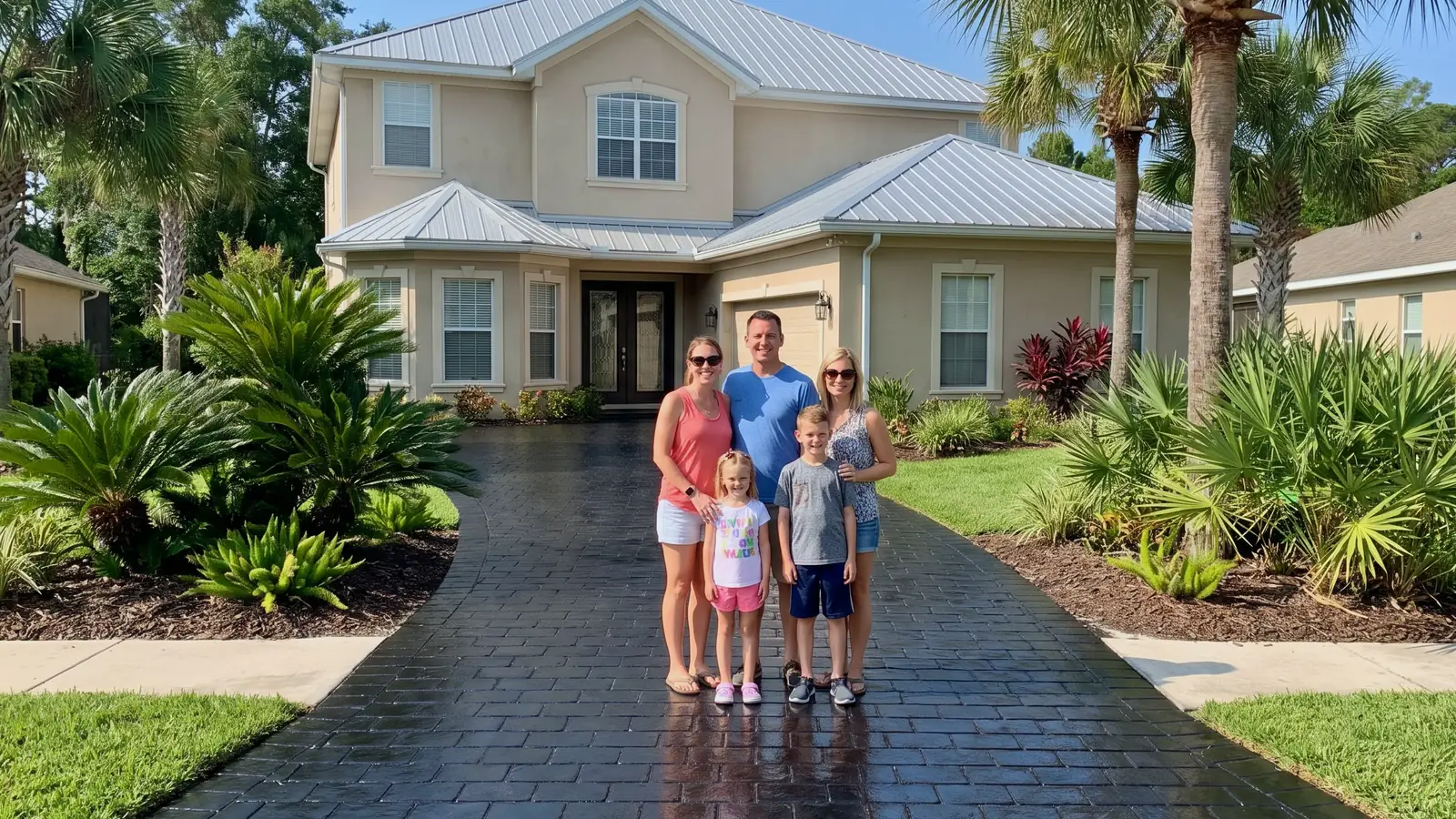
Paver sealing for Town 'n' Country homes
Paver Sealing in Town 'n' Country, FL
Many Town 'n' Country homes were built after 1958, so call (727) 324-4247 for a free paver sealing estimate.
- Brings out deeper paver color
- Fresh joint sand helps lock pavers in place
- Gives weeds less room to grow
- Makes the surface easier to keep clean
- Free estimate, no obligation
Request a Free Estimate
Free, no obligation.
Fast, careful paver sealing in Town 'n' Country
Paver sealing in Town 'n' Country is open to homes across the whole community, from Bay Crest Park to the streets near Waters Avenue. A local contractor handles the cleaning, joint sand and sealing for driveways, pool decks and walkways, and the estimate is free. Call (727) 324-4247, and a reply comes in 1 business day or less, usually much sooner.
You may have driveway pavers that went in a few owners ago, now dull and dark in the joints, with weeds along the edge. A wash, new sand and a fresh coat bring back one even color and make the surface easy to sweep. Whenever you want to start, ask for a free estimate and tell the contractor what is down now.
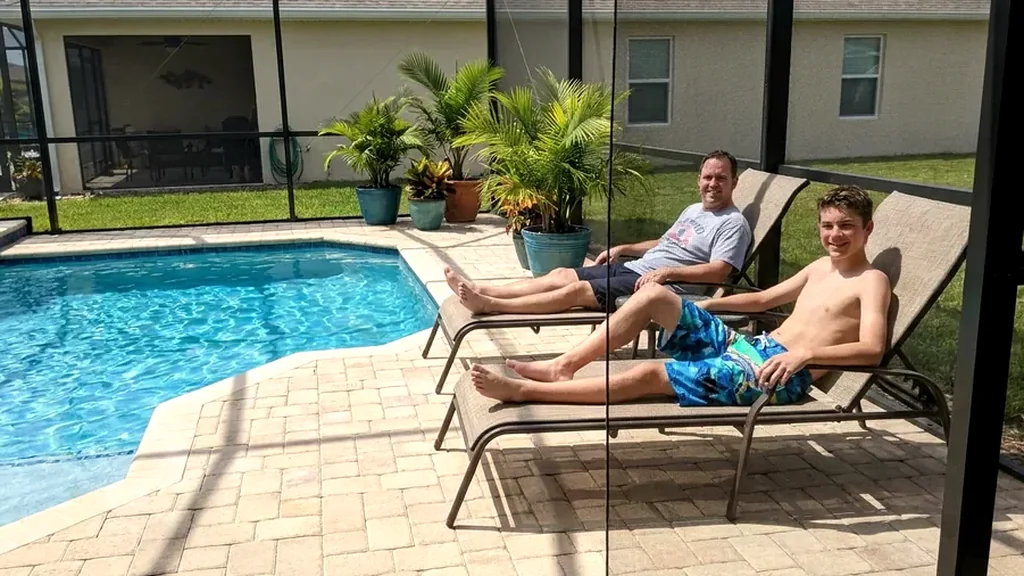
Why hire a local paver sealing contractor in Town 'n' Country?
Town 'n' Country has been built out for decades, so many homes here carry paving that has changed hands and never been logged. That is a good reason to hire someone local, and you can ask for a free estimate to start.
Free to look
A contractor checks your Town 'n' Country driveway, patio or walkway at no charge and quotes a price before you commit to anything.
A number to hold onto
A Palm Harbor company lists $1.00 to $1.75 per square foot to clean, sand and seal. Use that range to judge any bid here.
Sealer that fits the house
Matte suits the plain lines of a mid-century ranch. A wet look adds shine but shows scuffs sooner, so match it to the drive.
No pressure to sign
Asking for an estimate does not commit you. You pick the date, the finish and whether to go ahead at all.
Get Your Free Estimate in Town 'n' Country
Tell us about your pavers in Town 'n' Country.
Free, no obligation
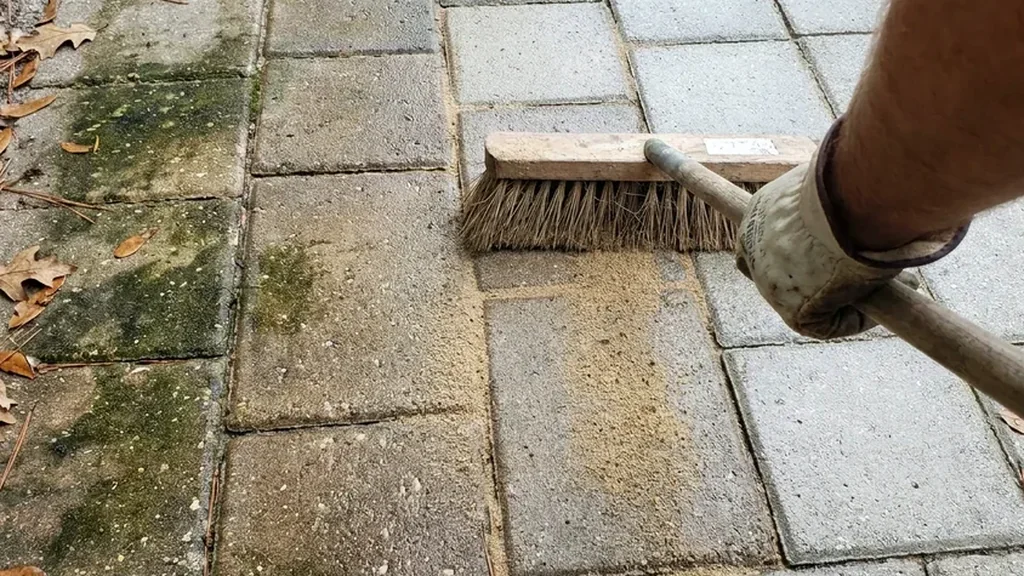
What paver problems show up most in Town 'n' Country?
Pavers added by earlier owners
LaMonte-Shimberg built nearly 8,000 homes and townhouses here between 1958 and 1978, and the homes were moderately priced. Many owners have added pavers since then. A previous owner may have used a sealer nobody wrote down, and that matters because water-based sealer cannot go over solvent-based sealer. Before choosing a product, the contractor works out what already coats the surface. A peeling or blotchy patch is a clue to point out at the visit. It helps to dig out any old paperwork, such as a receipt taped inside a garage cabinet. Even a brand name tells the contractor a lot. Hinks Shimberg said the first homes started at $9,150, so these began as starter homes, and later owners added pavers on their own schedule. That is why one street can hold three different coats. A short chat about who did what, and when, saves guessing.
Humidity and frequent rain
A Tampa paver company says pavers here face UV rays, rain and foot traffic, and that high humidity with frequent rain grows mold and mildew. Tampa Bay averages about 49.5 inches of rain a year, and nearly two thirds falls from June through September. That wet stretch is when green film moves in. Sealing over it would trap it, so cleaning comes first. Along a shaded edge, you may notice the green film in a band a foot or two wide. That is the line where the sun stops reaching the surface. Tampa Bay's dry season runs from early November to early May, so green film often fades in winter and returns with the first summer storms. Cleaning in the dry months gives the coat a cleaner start. A damp August wash is harder to finish.
Creek-side and canal-side lots
Rocky Creek and Sweetwater Creek run through Town 'n' Country, and Bay Crest Park sits at an elevation of only 7 feet. Low ground near water can hold moisture after storms. Pavers that stay damp grow green film sooner and take longer to dry before sealing. If your lot sits low, mention it when the contractor visits. After a heavy rain, the low end of a driveway may hold a thin sheet of water for hours. That is a sign the sealing day needs extra drying time. Bay Crest Park sits at about 7 feet above sea level, so storm water has little place to go. Even a short rain can leave a film on a low slab. If your lot sits low, say so at the visit.
Joint sand washed to the curb
Summer downpours wash sand out of paver joints. Empty joints collect soil, and weeds find a place to start there. Washing the pavers pulls out sand too, so every job ends with a refill. A driveway with weeds along the edge usually needs sand more than it needs weed killer. Look at the paver edges near the curb and the garage, where sand often thins first. A refill there is a quick way to tighten the surface. Washing the stone also shows how much sand was missing, which is why a clean drive can look rougher than a dirty one. The refill step fixes that. A full seam brings back the even, tight look.
Shade under screen enclosures
A Tampa Bay company says shaded areas under screen enclosures can stay damp for long periods. Pool decks and lanais in a community of this age often sit under cages and roof lines. Damp spots grow algae faster and take longer to dry before sealing. A patient contractor plans extra time for those corners. A fan or a patio cover can help a damp corner dry, but nothing replaces a dry day and patience. Screen cages are common in a community of 35,174 housing units, and the cage frame drips onto the slab below. Those drip lines leave streaks that stay damp. A second pass often clears them.
Is a Town 'n' Country mid-century home different to seal pavers around?
In some ways, yes, because the plain ranch lines and single-story layouts of a 1958 to 1978 build put the driveway and walkway front and center. Pavers there often meet a slab, a stoop and a carport edge. A clear matte coat tends to look at home beside that style. Give your street and the year the house went up when you ask for a free estimate.
Bay Crest Park is its own small community inside the larger area, with a resident-only boat ramp at Bay Crest Drive and Gilbert Avenue. Lots near the water sit low, around 7 feet in elevation. That can mean slower drying after rain. Call (727) 324-4247 and say if your pavers are close to the creek or the bay.
Countryway and other parts of the community mix single-family homes with townhouses. Townhouse courtyards are tight, so gear is carried by hand, and that can change the price. A 2020 count found 35,174 housing units in all. For a plan that fits your layout, ask for a free estimate and mention which type of home you have.
What does paver sealing cost in Town 'n' Country?
A Palm Harbor company lists $1.00 to $1.75 per square foot to clean, sand and seal, a range Town 'n' Country owners can check a bid against. A Tampa company says price moves with square footage, stain level, sealer type, paver material, curves and steps, and access. A big driveway plus a pool deck costs more in total. For a price on your layout, ask for a free estimate, and the first visit is free.
Older pavers may need extra work to strip a failing coat, and tight townhouse courtyards cost more to reach than an open driveway. Pavers that have never been washed can need a longer clean. Ask (727) 324-4247 which of these would affect your home, and the contractor can say before booking.
| Paved area | Typical example | Clean, sand and seal |
|---|---|---|
| 300 sq ft | Small patio or walkway | $300 to $525 |
| 600 sq ft | Two car driveway | $600 to $1,050 |
| 1,000 sq ft | Large driveway or pool deck | $1,000 to $1,750 |
| 1,500 sq ft | Driveway plus pool deck | $1,500 to $2,625 |
Math based on the $1.00 to $1.75 per square foot that Tampa Bay paver companies publish. Your contractor sets the actual price after seeing the surface. Repairs, leveling and stripping failed sealer are usually extra.
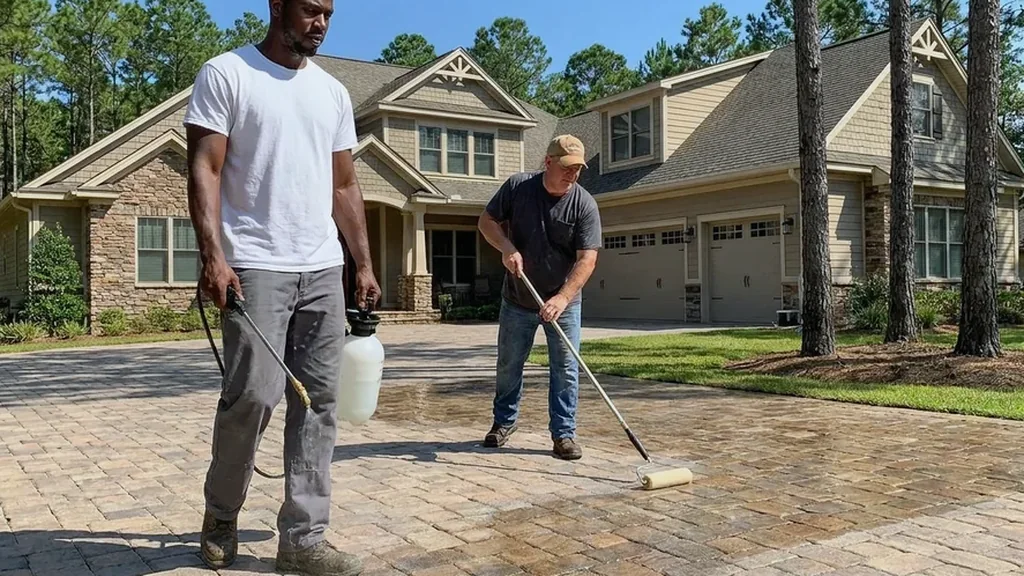
How does a paver sealing job work in Town 'n' Country?
Learn the layers
A first pass looks for seams between old and new paving, since a driveway, a stoop and a patio may date from different years. Lifted sections and old sealer get noted. A test spot shows whether the old product is solvent-based. This step decides the order of the work.
Scrub the surface
A good scrub clears green film, tire rubber, oil and rust lines. Areas under screen enclosures take longer because they stay damp. Water runs toward the street and away from beds. Clean stone is what the coat needs.
Fill every gap
Washing carries sand away, so new sand is swept in until each gap is full. Summer downpours on flat ground can rob a seam within weeks. A full gap holds stones in place. Extra is swept off the face.
Dry, then check again
Pavers get about a day to dry after the scrub, and longer under cages. Wet joints can leave a hazy or blotchy coat. The wet season starts in late May, so dates can slide. A crew would rather reschedule than seal damp stone.
Seal and set the rules
The coat goes on by spray, roller or both. Water-based sealer gives a matte look and solvent-based gives a wet look. A recoat usually comes two to five years on, as companies commonly quote. Ask when the surface can take feet and cars, since early traffic leaves marks.
Complete paver services in Town 'n' Country
A job here follows one rule: clean first, sand second, dry third, coat last. Older slabs and aged pavers often need extra time on the first two. The coat then locks in a clean base. Call (727) 324-4247 to hear how the stages would run on your lot.
Many Town 'n' Country homes have a drive, a front stoop and a patio added over the decades. Each ties into a different era of concrete, brick or paver. Matching the approach to each surface keeps the result even. List the pieces when you ask for a free estimate.
Sealer type depends on what an earlier owner used. A water-based product will not go over a solvent-based one, and old failing coats may need stripping. On a plain ranch front, matte tends to sit well. Call (727) 324-4247 to talk through the finish.
Creek-side and low lots take longer to dry. The dry season from November to early May is the easiest window, and afternoon storms return in late May. Picking a clear week protects the work. To choose one, ask for a free estimate.
Questions to ask before you hire
- How do you keep sealer from pooling in low spots that stay wet after rain?
- Does your insurance cover damage to my screen enclosure and landscaping?
- Do you check that the pavers are dry before you seal, or just trust the forecast?
- How far does the cleaning go, up to the garage door and out to the curb?
- How long should I stay off the pavers while the sealer cures?
- If my HOA needs to approve the finish, can you show them a sample?
- Will I get a written estimate before any work starts?
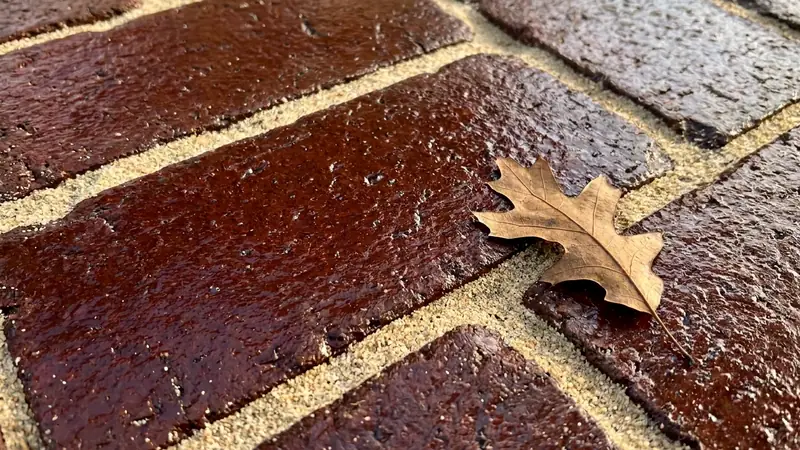
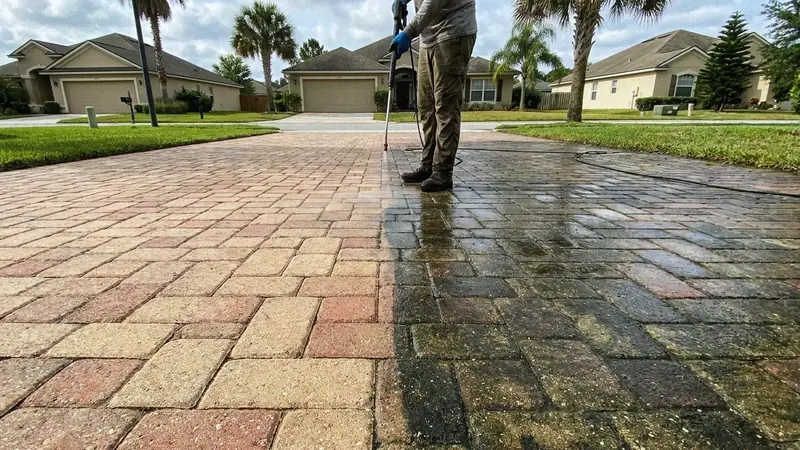
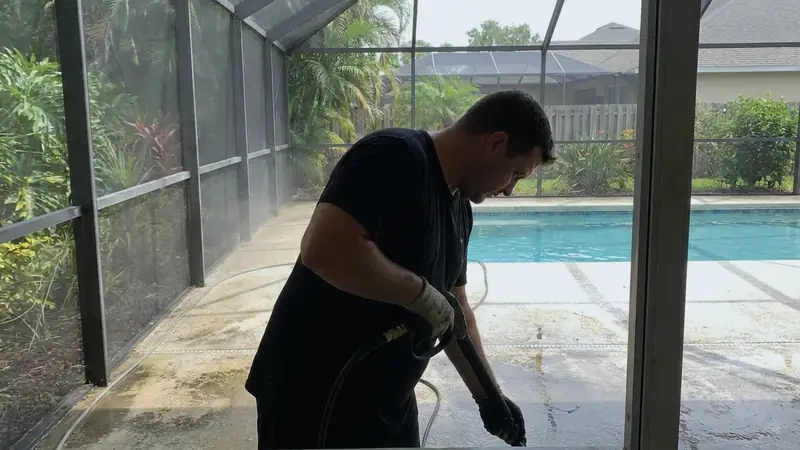
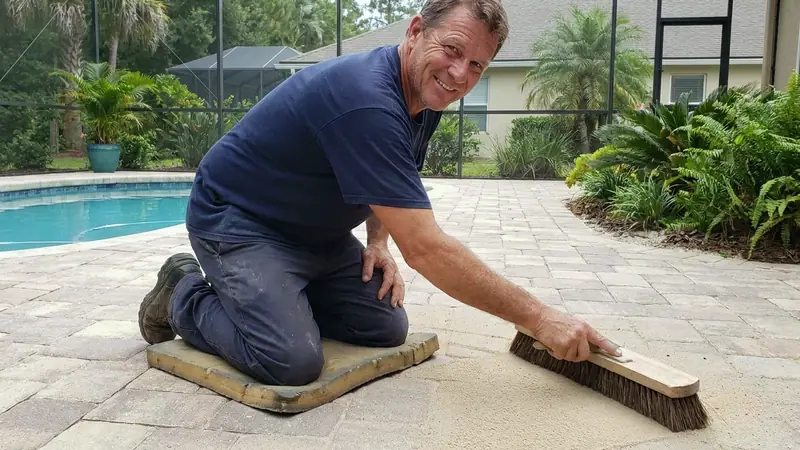
What do sealed pavers look like around Town 'n' Country?
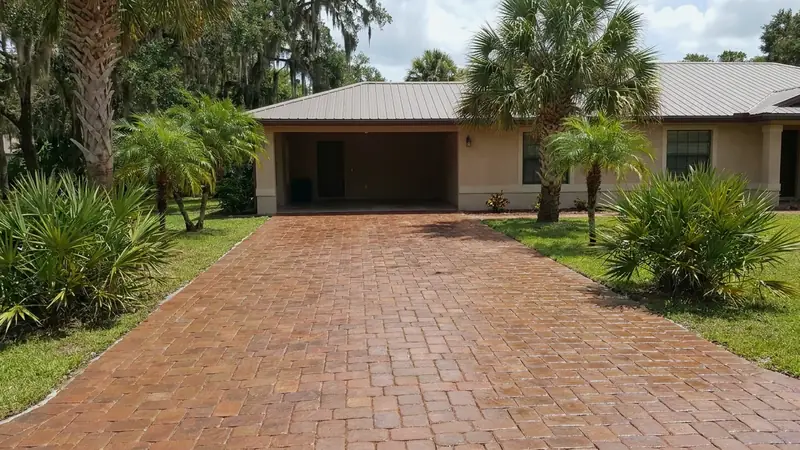
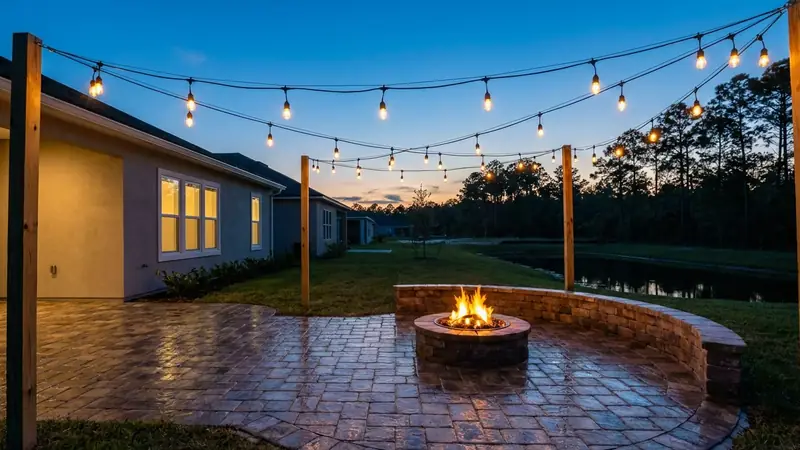
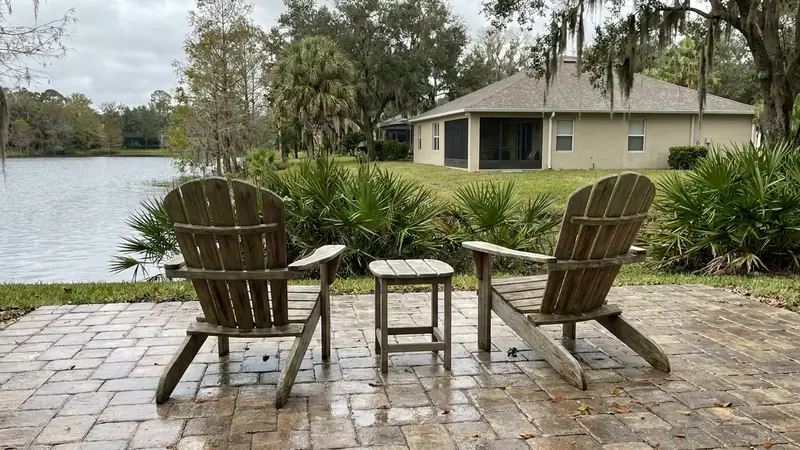
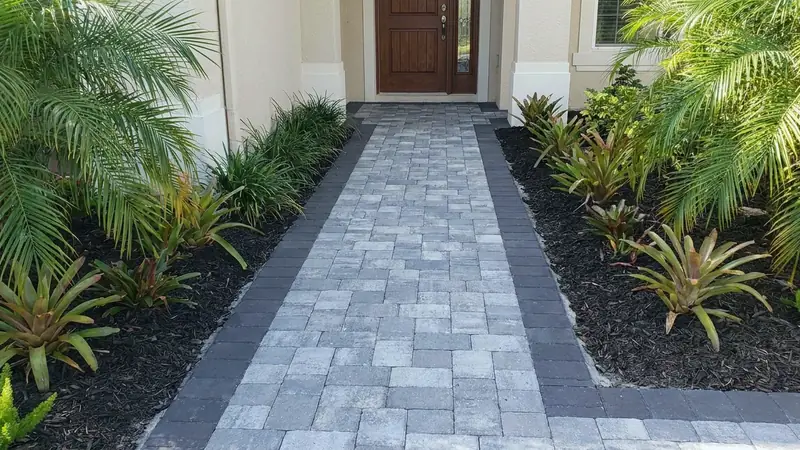
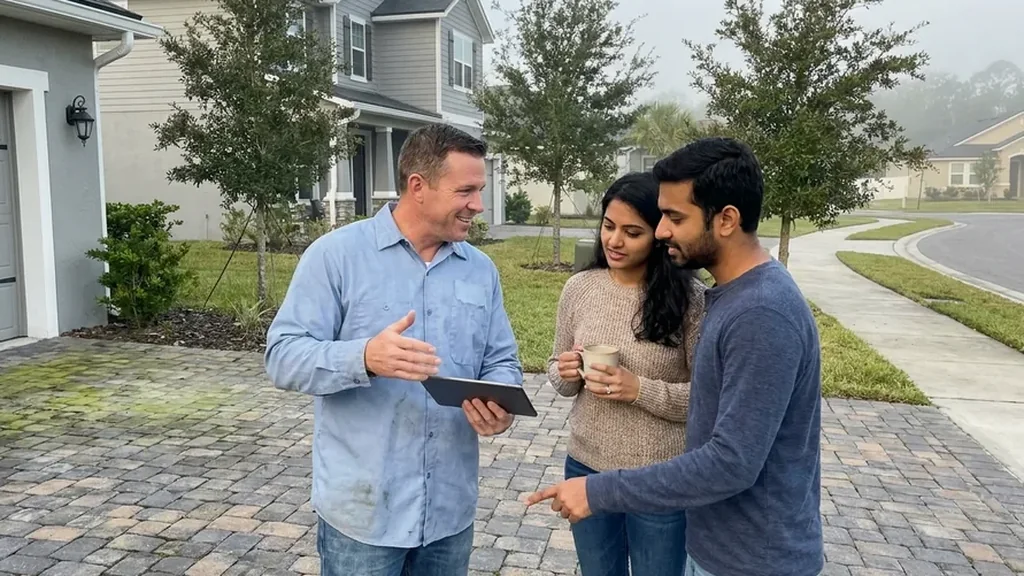
Why local matters in Town 'n' Country
A pro who works Town 'n' Country knows the community was built out between 1958 and 1978. That means older homes with later add-ons and many hands in the paver history. Asking when you moved in helps the crew read the surface. Call (727) 324-4247 and give the year.
Creeks and a bay shore shape part of the map. Rocky Creek and Sweetwater Creek cross the area, and Bay Crest Park sits at about 7 feet above sea level. Low ground holds moisture, which changes drying time. You can ask for a free estimate and mention if you are near the water.
Townhouses add a different set of limits. Courtyards are tight, neighbors share walls and gear gets carried by hand. A local crew plans for those limits and for shared access. If you own a townhouse, ask for a free estimate and say so.
What is the story behind Town 'n' Country that helps a homeowner plan?
It started as a dairy farm and cattle land, until LaMonte-Shimberg bought a 525-acre farm in 1958 near Hillsborough Avenue and Memorial Highway. The brothers Jim and Hinks Shimberg and Charles LaMonte built homes at moderate prices, starting at $9,150. Buyers could put down $200 on a 40-year mortgage. If your home is one of those early ones, ask for a free estimate and say so.
The community grew past 2,000 acres, with Sheldon Road, Rocky Creek and Sweetwater Creek as part of the map. Part of Tampa International Airport sits in its northwest corner. Bay Crest Park and Countryway are named places inside it. Near any of these spots, call (727) 324-4247 and share your street.
Frequently Asked Questions
How much does it cost to get pavers sealed in Town 'n' Country?
One Palm Harbor company puts a clean, sand and seal at $1.00 to $1.75 per square foot, a fair range for a Town 'n' Country ranch lot. Where a Town 'n' Country job lands depends on stains, old sealer and how hard the pavers are to reach. The quote should state the total area so you can test the figure. Having square footage ready makes the number firmer. Townhouse courtyards often cost more per foot because gear is carried by hand.
What cleaner is used on pavers before sealing in Town 'n' Country?
A Tampa Bay company says commercial surface cleaners and safe detergents remove dirt, algae and organic growth before sealing. Ask the contractor what goes on your pavers and how it is rinsed away. Whatever stays on the surface gets covered by the sealer, so the wash has to be thorough. It also helps to say if there is oil or rust on the surface. Beds along the drive get rinsed so that runoff does not sit on plants.
Is it better to spray or roll paver sealer?
Either tool works if the stone is dry and the coat is thin and even. Sprayers cover a long ranch driveway quickly, and rollers suit tight courtyards and edges. A Tampa Bay company confirms sealer can be sprayed, rolled or both. Choose by the layout you have.
How often do pavers in Town 'n' Country need resealing?
The usual quote for a Town 'n' Country driveway is a recoat after two to five years. A sunny Town 'n' Country driveway tends toward the short end, and a shaded one may last longer. Traffic and irrigation overspray also shorten the time. A faded coat is a cue to book before the pavers start to stain. A pool deck on a creek-side lot may stay damp after storms, so ask how dryness is checked.
Can new sealer go over an old coat on my Town 'n' Country pavers?
Often not, because a water-based product cannot go on over a solvent-based sealer. On a house built in the 1960s or 70s, the old product has to be named before a new one is chosen. If the coat is old and failing, a Tampa Bay company says it must be stripped before a new top coat. Keep an eye out for peeling at the edges, which is often the first sign.
When is the right time of year to seal pavers in Town 'n' Country?
The dry season, from about early November to early May, is the easiest stretch. Sealer needs dry pavers and dry joints, and afternoon storms are regular from late May. Ask the contractor to plan around the forecast. The window shifts slightly with the coat and the weather, so ask for dates in writing.
Can I seal the pavers around a Town 'n' Country pool deck?
Yes, and many owners do. Pool decks get splash and chemicals, and shaded corners under a cage can stay damp. Ask about a non-slip finish and how long to stay off the deck while it cures. A non-slip additive is worth a question, since pool decks can feel slick once wet.
How long should I stay off pavers after they are sealed?
Plan on about 24 hours before foot traffic and 48 hours before cars, though humid air can stretch that time. Early traffic can leave marks in a fresh coat. The contractor can give you a firm window on the day. Cool, damp mornings can add a few hours.
Ready for a Free Estimate in Town 'n' Country?
Call (727) 324-4247 and tell us about your pavers.
Free, no obligation